


OB/GYN Hospitalist/Laborist
At ETS OBGYN, we work closely with OB/GYN hospitalists and laborists to help them find inpatient-focused opportunities that align with their clinical interests, schedule preferences, and long-term career goals. Whether that means a more structured shift model, reduced outpatient responsibility, stronger team-based support, or a predictable inpatient workflow, our focus is on helping physicians find roles that support both career satisfaction and sustainability.
Stages of an OB/GYN Hospitalist/Laborist Career
Understanding where a physician is in their career helps us better align opportunities with their professional goals and lifestyle preferences. At ETS OBGYN, we work with OB/GYN Hospitalists/Laborists as a long-term career resource, supporting physicians at every stage of their journey, from fellowship or early practice to experienced hospitalist roles, leadership opportunities, and long-term career transitions.
The typical training path for OB/GYN hospitalists/laborists includes:
- Bachelor’s degree (4 years)
- Medical school (4 years)
- OB/GYN residency (4 years)
- Board certification through the American Board of Obstetrics and Gynecology (ABOG)
- Optional 1-2 year OB/GYN hospitalist fellowship
Most physicians enter the field with at least 12 years of total training, and while fellowship training is not required, some institutions offer additional inpatient or hospitalist-focused education.
OB/GYN Hospitalist/Laborist Salary and Compensation
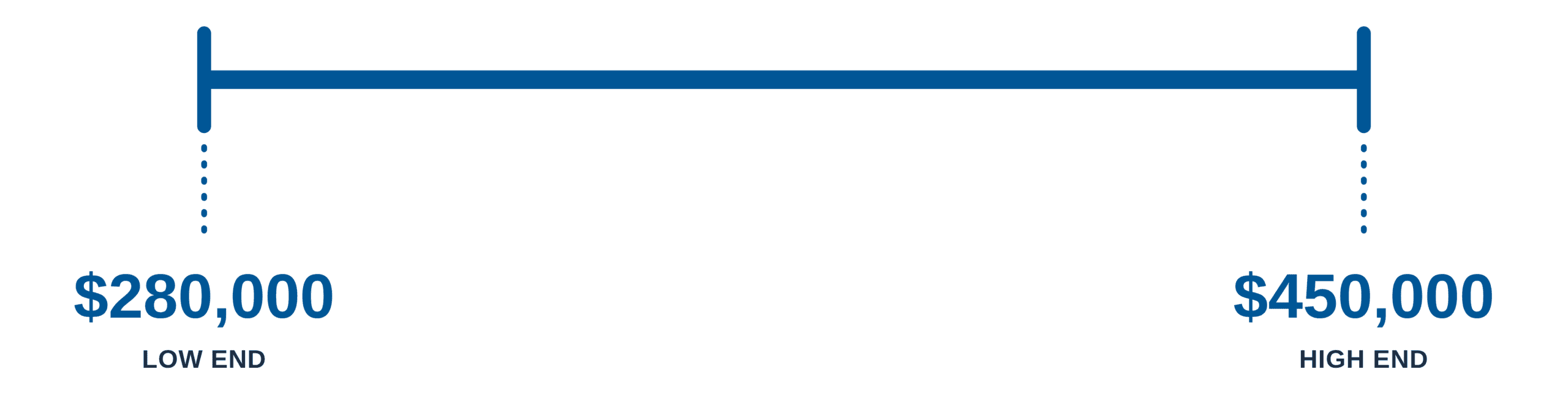
OB/GYN Hospitalist/Laborist compensation typically ranges from $280,000 to $400,000+ annually, depending on shift structure, geographic location, experience, hospital type, and coverage responsibilities. Compensation is often tied to shift coverage, with additional opportunities through extra shifts.
Common Compensation Models
BASE SALARY + PRODUCTION
Income Structure
Guaranteed base salary with productivity incentives based on RVUs, collections, or other performance metrics.
Income Stability
High income stability with additional earning potential tied to productivity.
Common Settings
- Hospital-Based Laborist Programs
- Community Hospitals
- Large Healthcare Systems
Notes
Common for OB/GYN Hospitalists/Laborists with productivity-based incentives tied to clinical volume or coverage needs.
BASE SALARY ONLY
Income Structure
Fixed annual salary with no productivity-based incentives.
Income Stability
Very stable income with limited opportunity to increase earnings.
Common Settings
- Hospital-Based Laborist Programs
- Academic Medical Centers
- Large Healthcare Systems
Notes
Common for OB/GYN Hospitalists/Laborists with structured schedules and hospital-employed roles.
Common Benefits
Shift-Based Compensation
Continuing Medical Education
Signing Incentives
Relocation Assistance
Retirement Plan
Paid Malpractice
Paid Time Off
Student Loan Assistance
Health Insurance
Practice Types
- Large Hospital Systems
- Community Hospitals
- Academic Medical Centers
- Rural and Underserved Hospitals
- Dedicated Labor and Delivery Units
- OB Emergency Departments





Loan Forgiveness & Career Incentives
Many OB/GYN Hospitalists/Laborists may qualify for federal and state loan repayment programs based on their employer, location, and commitment to providing care in underserved communities.
Programs may include:
OB/GYN Recruitment Expertise
Our recruiters connect Obstetricians/Gynecologists (OB/GYNs), OB/GYN Hospitalists/Laborists, OB/GYN Subspecialists, and Women's Health Advanced Practice Providers with career opportunities across a variety of practice settings. Explore the specialty that best aligns with your goals.
FAQS
Connect with ETS OB/GYN
ETS OBGYN connects OB/GYN hospitalists and laborists with career opportunities nationwide, matching them with organizations that fit their experience, goals, and preferences. Our recruiter offers valuable insight into local markets, healthcare systems, and available roles.
Use the map below to explore opportunities by location, then reach out to your recruiter for a confidential conversation about your next career move.